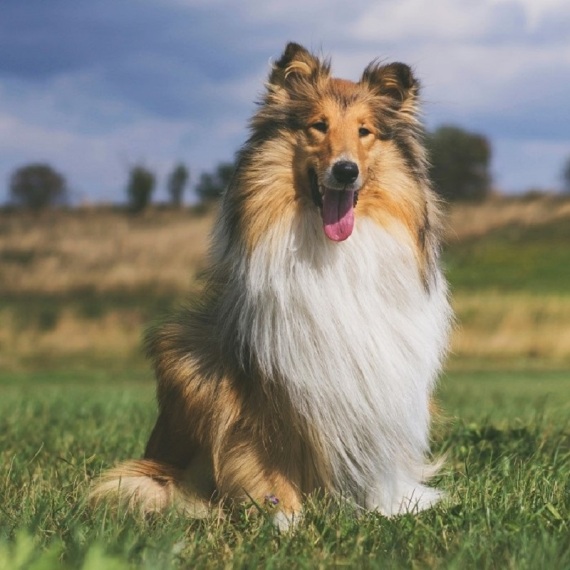
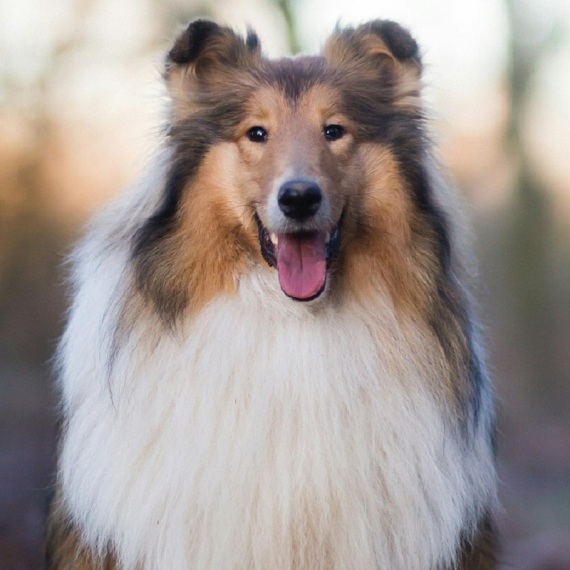
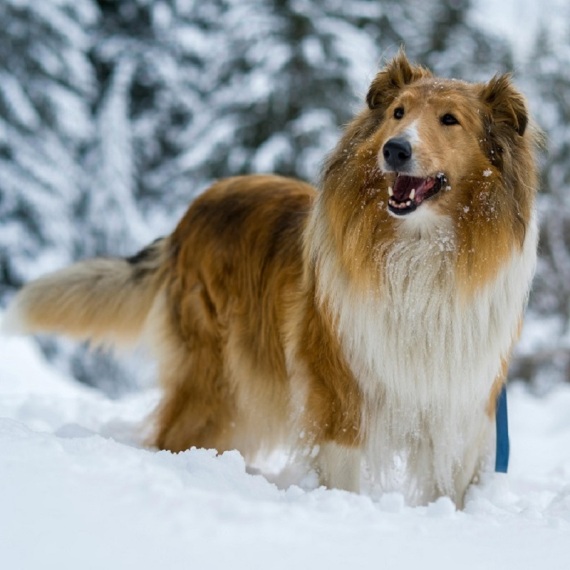
collies
Breed Overview
Quick facts
Collies are athletic, sweet, and great with kids.
Personality & Training
High
High
- Kids
- Cats
- Other Dogs
- Large Living Spaces
- First Time Pet Owners
- Cold Climates
Physical Characteristics
Females: 22 - 24 in
Males: 24 - 26 in
Females: 50 - 65 lbs
Males: 60 - 75 lbs
Brush Weekly, Bathe as Needed
Low
About collies
The Collie was developed centuries ago to be a herder, watchdog, and companion. Made famous by “Lassie," a fictional Collie popular in the 1950s, this breed is well-loved as both a working dog and as a pet.
Collies come in two varieties – rough coat and smooth coat – but are recognized by their distinctive flopped-over ears, thick hair, and long faces. These proud dogs are friendly, excellent with children, and are very intelligent and trainable.
collie Health
The Collie was developed centuries ago and is a medium to large size breed that weighs 50 – 75 pounds and has a life expectancy of 12 – 14 years. Collies are typically healthy but do have some specific health conditions which can be minimized through responsible breeding of screened animals. Always contact your veterinarian as soon as you notice any physical or behavioral changes.
Potential Health Conditions:
• Collie Nose Syndrome, Nasal Solar Dermatitis
• Cataracts
• Collie Eye Anomaly (CEA)
• Grey Collie Syndrome, Cyclic Neutropenia (CN)
• Dermatomyositis (DMS)
• Multidrug Resistance 1,(MDR1)
• Degenerative Myelopathy (DM)
• Recurring Seizures, Idiopathic Epilepsy (IE)
• Canine Hip Dysplasia (CHD)
• Immune-mediated hemolytic anemia
• Collie Granuloma, Nodular Granulomatous Episclerokeratitis, (NGE)
• Dislocated Kneecap, Patellar luxation
• Progressive Retinal Atrophy, Rod cone dysplasia 2 (PRA-rcd2)
• Inward Turned Eyelids, Entropion
• Congenital Deafness
Suggested Screening
• Hip evaluation
• Eye examination
• Collie Eye Anomaly (CEA,CH) – DNA test
• Progressive retinal atrophy, Rod cone dysplasia 2 (PRA-rcd2) – DNA test
• Dermatomyositis (DMS) – DNA test
• Multidrug resistance 1 (MDR1) – DNA test
Routine care:
• Spay or neuter
• Moderate exercise
• Routine grooming
collie Care
Collies are smart and active and need lots of mental and physical stimulation.
collies FAQ
Sign up for Pupdates
Join our community to discover more about our commitment to care, receive the latest news from the experts, and never miss an update on available puppies.