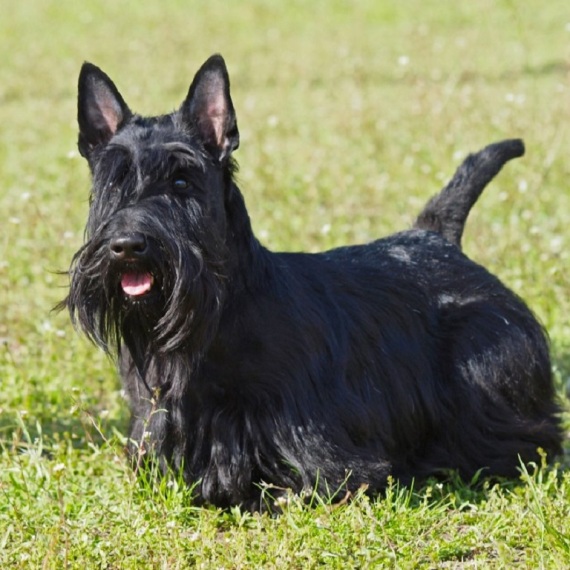
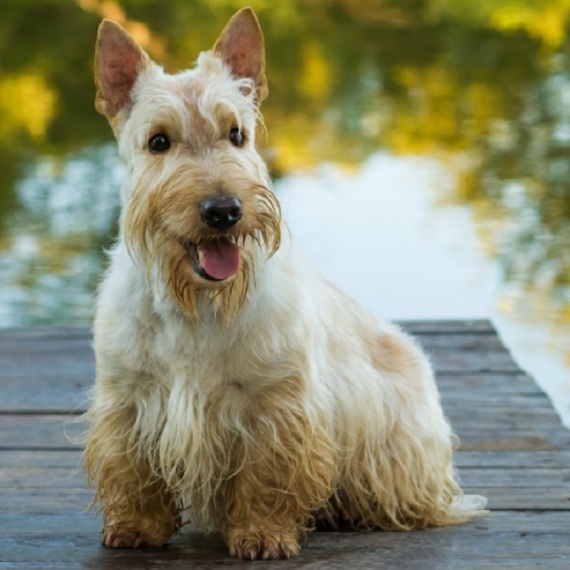
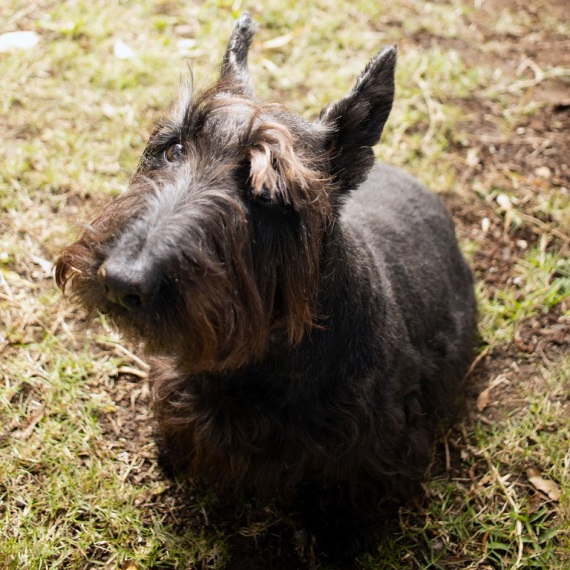
scottish terriers
Breed Overview
Quick facts
Scottish Terriers are scrappy, high-spirited, and independent.
Personality & Training
High
High
- Kids
- Other Dogs
- Apartments
- Large Living Spaces
- Seniors
- Watch Dog
- Cold Climates
What scottish terrier Owners Say About Their scottish terriers
- Molly is a happy puppy who has brought so much joy to my life.
- Jasper has brought so much enjoyment to me and everyone he meets. He is such a happy puppy!
Physical Characteristics
Females: 9 - 10 in
Males: 9 - 10 in
Females: 18 - 21 lbs
Males: 19 - 22 lbs
Brush Weekly, Bathe as Needed, Trim Occasionally
Low
Explore Similar Breeds

About scottish terriers
Solid, independent and packed with personality, the Scottish Terrier is the confident companion you never knew you needed. Scotties are as scrappy as they come, and world famous for their high-spirited, dignified demeanor and almost-human character.
Known for their incredible persistence, these tenacious terriers were bred to hunt rats, foxes, and ferocious badgers. Today, you are more likely to find Scottish Terriers cuddled up with their family or patrolling the yard for intrusions.
Scotties are like little bearded drill sergeants. They're cantankerous, efficient, even dour. They can be snippy with other dogs and are likely to treat any animal smaller than itself as prey. Scotties are incredibly devoted to their families but may be too surly for homes with small children.
scottish terrier Health
The Scottish Terrier usually weighs 18 – 22 pounds and has a life expectancy of 12 years. While the Scottish Terrier is generally healthy, they can be prone to do have specific disease conditions. Always contact your veterinarian as soon as you notice any physical or behavioral changes.
Potential Health Conditions:
• Von Willebrand's Disease (VWD)
• Cerebellar Abiotrophy (CA)
• Craniomandibular osteopathy (CMO)
• Liver shunt, Portosystemic Shunt
• Scotty Cramp
• Dislocated Kneecap, Patellar Luxation
• Hyperadrenocorticism, Cushing's Disease (HAC)
• Hypothyroidism
• Overweight, Obesity
• Progressive Retinal Atrophy(PRA)
• Avascular Necrosis of the Femoral Head, Legg-Calve Perthes Disease (LCP) Disease
• Gum Disease, Periodontal Disease
• Allergies
Suggested Screening
• Patella evaluation
• Von Willebrand's Disease (VWD) type III – DNA test
Routine care:
• Spay or neuter
• Weight management
• Controlled exercise
• Routine dental care
scottish terrier Care
Scottish Terriers need regular grooming and plenty of exercise. A long walk is a great place to start, but what a Scottie really wants is to play. They crave affection, attention and mental stimulation. Obedience training and agility courses are great ways to exercise your Scotties body and mind.
scottish terriers FAQ
Sign up for Pupdates
Join our community to discover more about our commitment to care, receive the latest news from the experts, and never miss an update on available puppies.