beabulls
Breed Overview
Browse All beabull PuppiesQuick facts
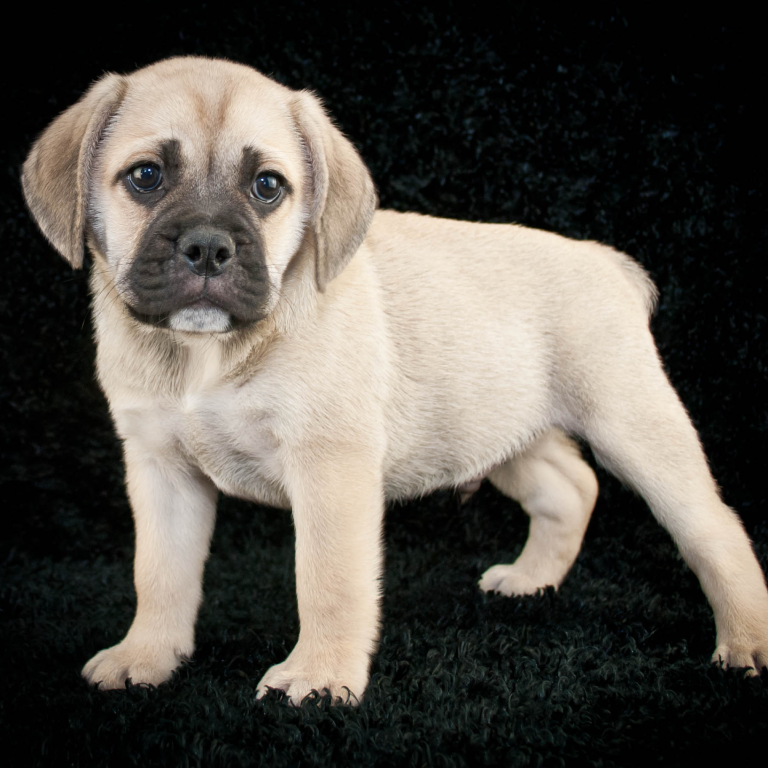
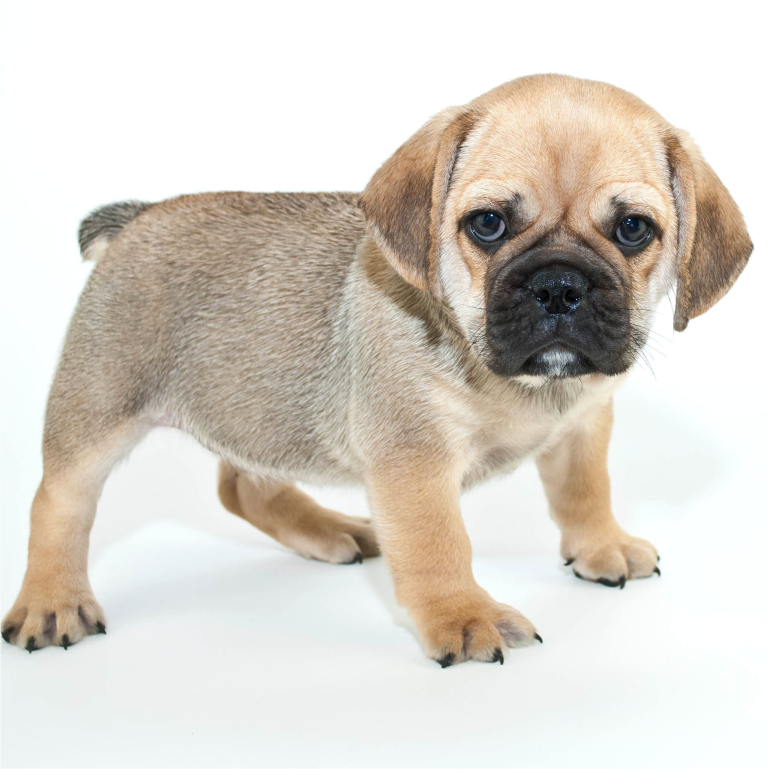
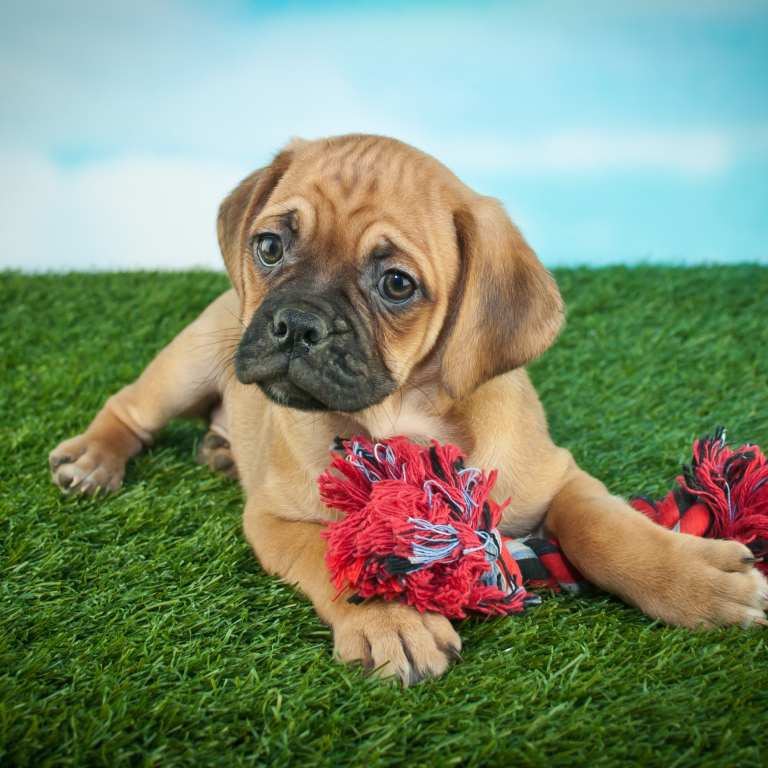
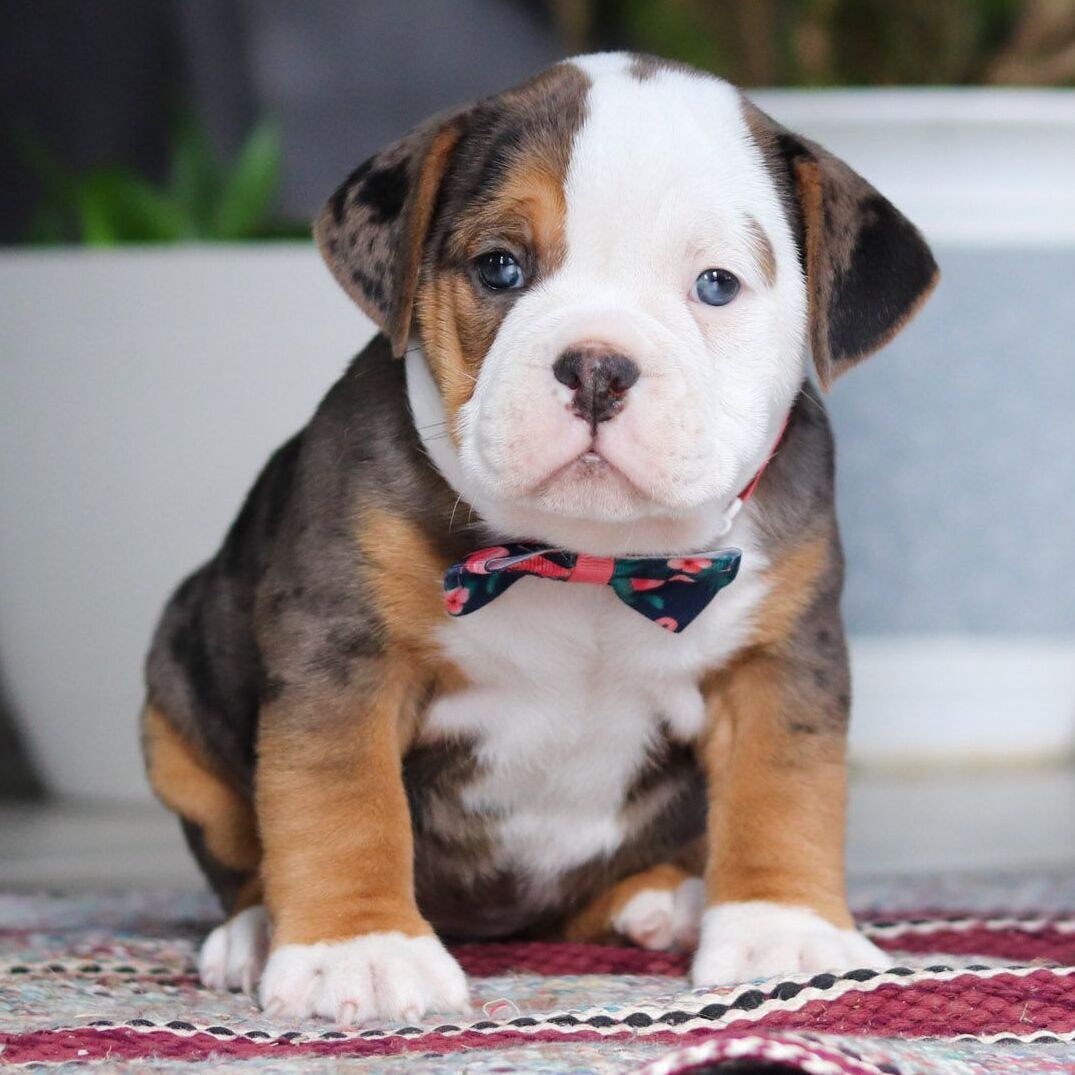
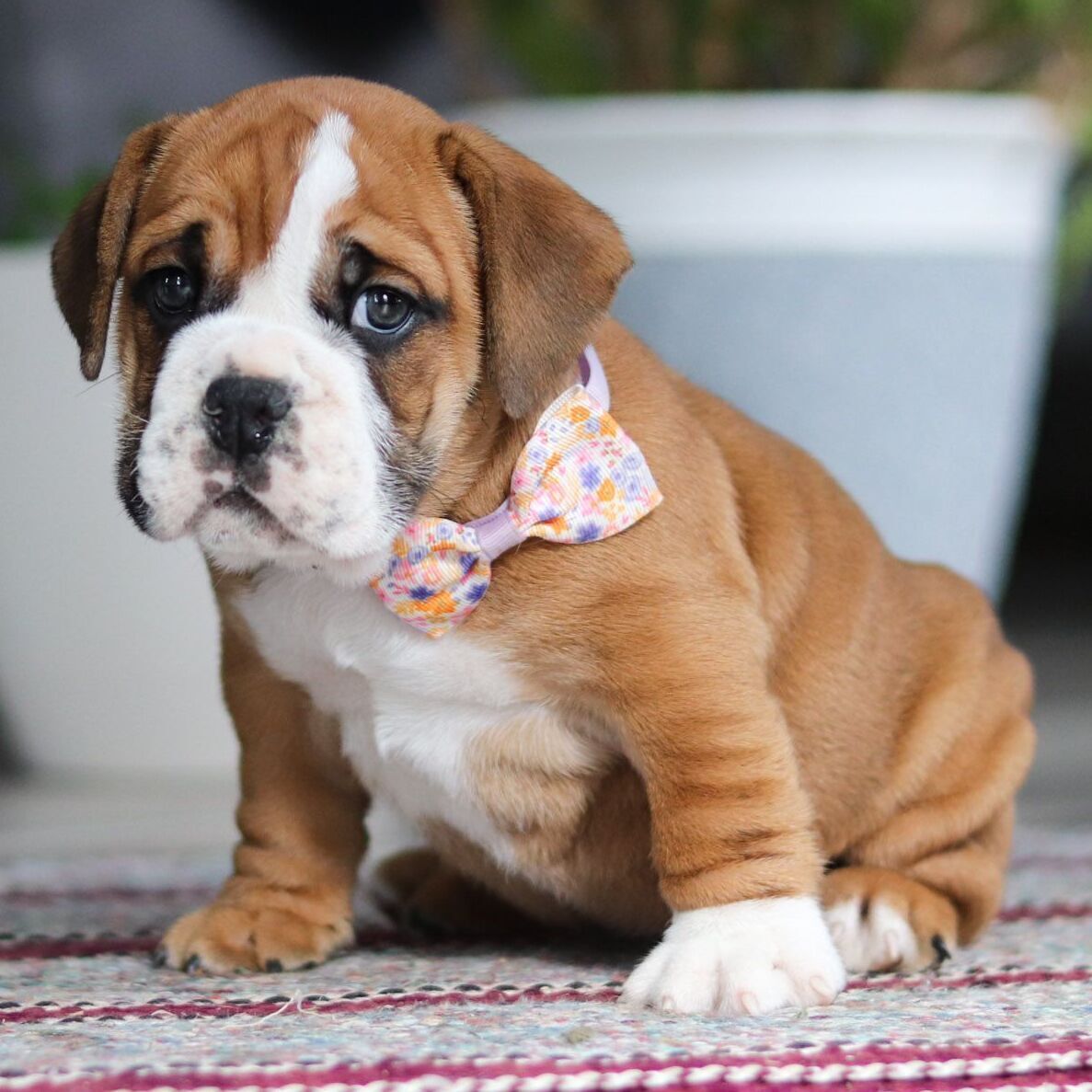
A cross between a Bulldog and a Beagle, Beabulls are affectionate, low-maintenance, and great with kids and other dogs.
Available beabull Puppies
Personality & Training
High
High
- Kids
- Cats
- Other Dogs
- Apartments
- Large Living Spaces
- Seniors
- First Time Pet Owners
Physical Characteristics
Females: 12 - 16 in
Males: 12 - 16 in
Females: 30 - 50 lbs
Males: 30 - 60 lbs
Bathe as Needed, Wrinkle Care, Brush Weekly
Moderate
Explore Similar Breeds

About beabulls
Kind, courageous, and friendly, the Beabull is a crossbreed of the hardy Bulldog and the curious Beagle. These compact pups are fun-loving, affectionate, and delightfully sweet. Beabulls are low-maintenance family dogs that are great with kids, easy to care for, and even easier to love.
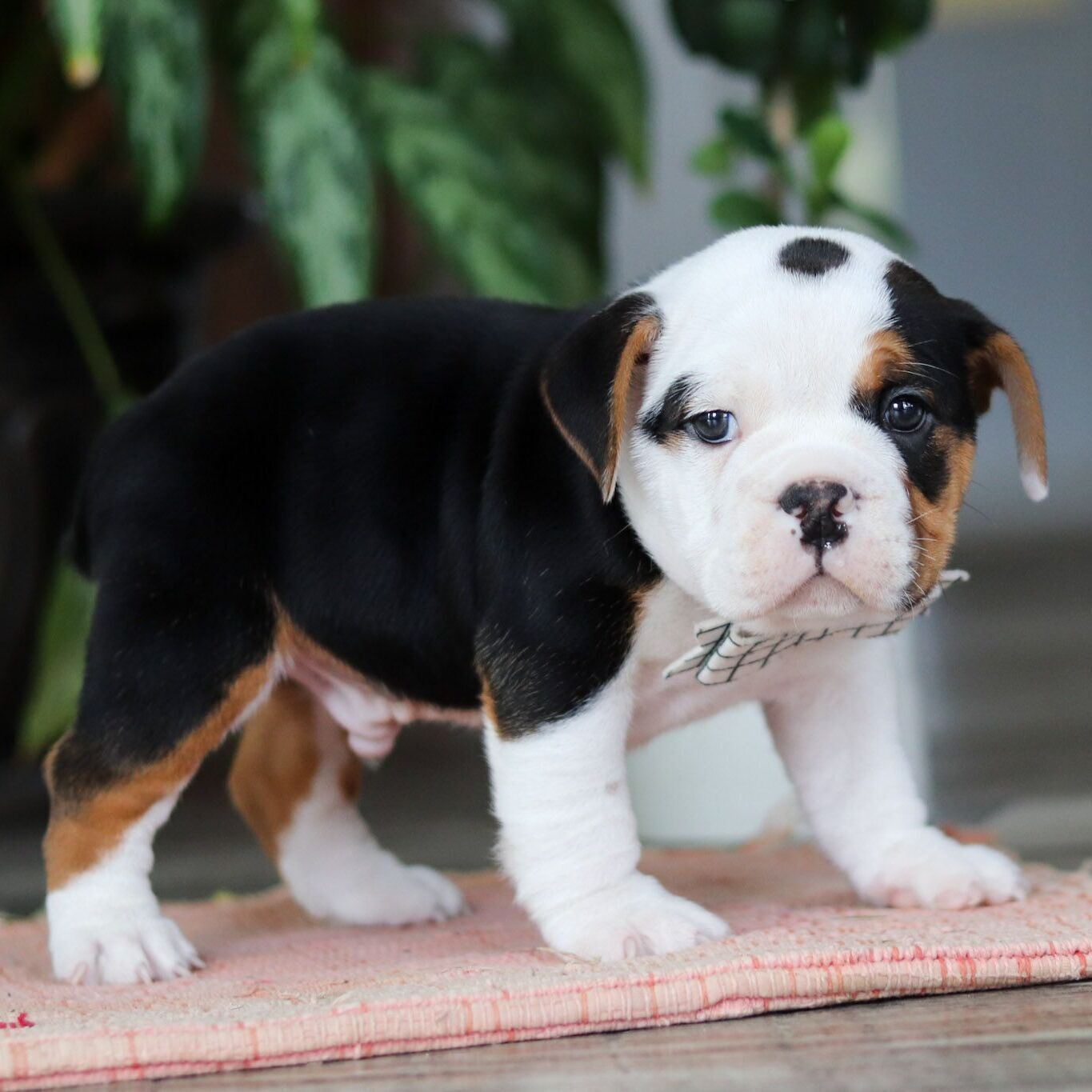
These happy, mild-tempered pups are rarely aggressive. Though, as the offspring of two remarkably stubborn breeds, Beabulls tend to be especially bullheaded when training. Beabulls adapt well to apartment living and don't require much exercise.
Beabulls are more likely to kindly greet a stranger than turn them away. These delightful canines have a gentle disposition. They are very forgiving with children, sociable with dogs, and a great choice for families.
beabull Health
While designer breeds like the Beabull are often considered healthier options when compared to their purebred counterparts, they can still be predisposed to some of the same health concerns. With proper care and yearly vet exams, the majority of Beabulls will live long and healthy lives. While most Beabulls will not encounter these health issues it is important to know them, monitor your dog for any physical or behavioral changes, and contact your veterinarian with any concerns. Your vet might also recommend running basic health screenings to diagnose or even rule out potential health risks.
Potential Health Conditions:
• Canine Hip Dysplasia (CHD)
• Progressive Retinal Atrophy (PRA)
• Hypothyroidism
• Intervertebral Disc Disease (IVDD)
• Overweight, Obesity
• Bloat – Gastric Dilatation-Volvulus(GDV)
• Heat Stress, Hyperthermia
• Idiopathic Epilepsy, Recurring seizures, IE
• Reverse sneezing Inspiratory Paroxysmal Respiration
• Ear infections
• Skin allergies
Suggested Screenings:
• Hip evaluation
• Knee evaluation
• Eye examination
Routine care:
• Spay or neuter
• Routine Dental Care
• Weight management
• Controlled exercise
beabull Care
Daily walks, lots of playtime, and scent-tracking games are great ways to keep your Beabull physically fit, and mentally stimulated. They're infamous leash-tuggers and require a fair amount of training to keep them from dragging you around town.