Common Eye Conditions of Dogs
By Bruce Whittle • July 24, 2025
Dr. Whittle, DVM, first decided upon a career in veterinary medicine when he was 9 years old and his first dog Blackie, a German Shepherd, died of heartworm disease. He wanted to devote his life to teaching people how to take better care of their animals both large and small so veterinary medicine was the obvious pathway. He and his wife met in veterinary school and built a rural veterinary practice immediately upon graduation. Dr. Whittle has worked on a wide variety of animal species but has developed a special interest in dentistry. He continues to find opportunities to educate others about animal care including teaching dentistry to veterinary students at various veterinary colleges. He and his wife have four large dogs and a small cat that share the house with them.
Reviewed and fact checked by Bruce Whittle, DVM
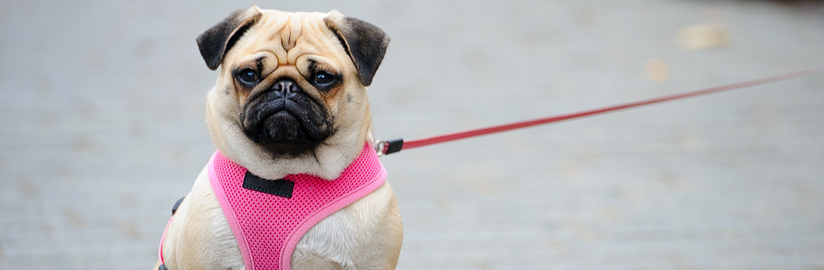
Eye problems are relatively common in dogs. Some breeds of dogs such as Pugs, Bulldogs and Boston Terriers with more prominent eyes tend to have more issues with eye injury whereas breeds such as Siberian Huskies, Labrador Retrievers, Golden Retrievers, Collies and Poodles are more likely to have inherited eye conditions. However, active outdoor dogs that hike or hunt are prone to injury when in brushy areas. There is a long list of potential eye problems but we are going to discuss the most common ones.
Entropion and Ectropion
Entropion (rolled-in eyelid) and ectropion (rolled-out eyelid) are two conditions that are seen in puppies and young dogs. With these conditions the eyelids either roll inward toward the eye, potentially scratching the surface of the eye or roll outward thus allowing the tear film to run off prematurely, leaving the surface of the eye dry. These conditions are most common in dog breeds such as Shar Peis and Bulldogs that have wrinkly skin. In mild cases, temporary sutures can be placed to hold the eyelid skin in the proper position. In more severe cases or in older dogs, surgery may be necessary to get the eyelid to lay against the cornea properly.
Conjunctivitis
Conjunctivitis, defined as inflammation of the pink tissues (conjunctiva) surrounding the inside of the eye socket, is relatively common and can be associated with allergies or with foreign bodies such as dust. Though simple conjunctivitis is not very concerning, it can be associated with other much more serious eye conditions so a thorough examination by your veterinarian should be performed to make sure, for example, that the cornea is not scratched. Treatment usually involves frequent medication applied to the surface of the eye until the inflammation resolves.
Prolapse of the nictitating membrane (Cherry eye)
Cherry eye, the common name for prolapse of the nictitating membrane, occurs frequently. It is concerning to an owner because a reddish pink mass suddenly protrudes between the eyelids on the nose side of the eye. Occasionally these are just surgically removed but since there is a gland near the base of the nictitating membrane (third eyelid), removal may result in a dry eye due to decreased tear production. A surgical procedure to tack the third eyelid back into position is more difficult to perform but results in a better long-term result.
Keratitis Sicca (dry eye)
Dry eye, a condition also known as keratitis sicca, is characterized by a decrease in tear production. While there are a few different causes, one of the more common causes is an autoimmune attack on the glands that produce tears. This can be medically treated with a topical medication that reverses the immune system attack on the gland.
Corneal Ulceration
Corneal ulceration is one of the most common eye conditions in dogs. The cornea is the clear front portion of the eye. It is very thin, approximately 0.6 mm thick which is about one half of the thickness of a dime. The cornea must remain dehydrated internally to remain clear, a challenge considering it is surrounded by fluid inside of the eye as well as the tear film on the outside of the cornea. When the cornea gets scratched, it can be at risk of rupturing. The first signs of corneal ulceration are holding the eyelids mostly closed and cloudiness of the cornea due to migration of fluid through the disrupted corneal surface. Because the cornea does not have a direct blood supply, blood vessels must migrate across the cornea during healing to fight infections. Bacteria commonly infect a compromised cornea that has been scratched but in some parts of the country fungal infections are common and are more difficult to treat. It is critical to have your dog’s eye examined quickly when there is a problem because some conditions can lead to permanent vision loss or loss of the eye.
Glaucoma
Glaucoma is another serious condition of the eyes. Glaucoma means increased pressure within the interior of the eye. When this higher pressure within the eye is sustained, internal eye components can become permanently damaged leading to vision loss. An owner might notice squinting of the eyelids indicating eye pain, a dilated pupil or cloudiness of the eye. Diagnosis of a high pressure within the eye (intraocular) requires the use of a specialized instrument called a tonometer. Medical treatment with topical drops can help to get the pressure down. In some cases a veterinary ophthalmology specialist can perform a laser procedure or a surgery to either decrease the amount of fluid produced within the eye or to allow it to drain from the eye to decrease pressure build-up. Because glaucoma is usually progressive, many affected eyes eventually become blind and surgical removal of the eye may be necessary to eliminate pain.
Summary
These represent but a few of the eye conditions affecting dogs but are the ones that are most commonly encountered. The bottom line is to have your dog examined by your veterinarian in the event of a suspect eye problem. Many eye conditions can be successfully treated if diagnosed early. Your veterinarian may refer you to a specialist, depending upon the eye condition and the need for advanced diagnostic tests and therapeutics.