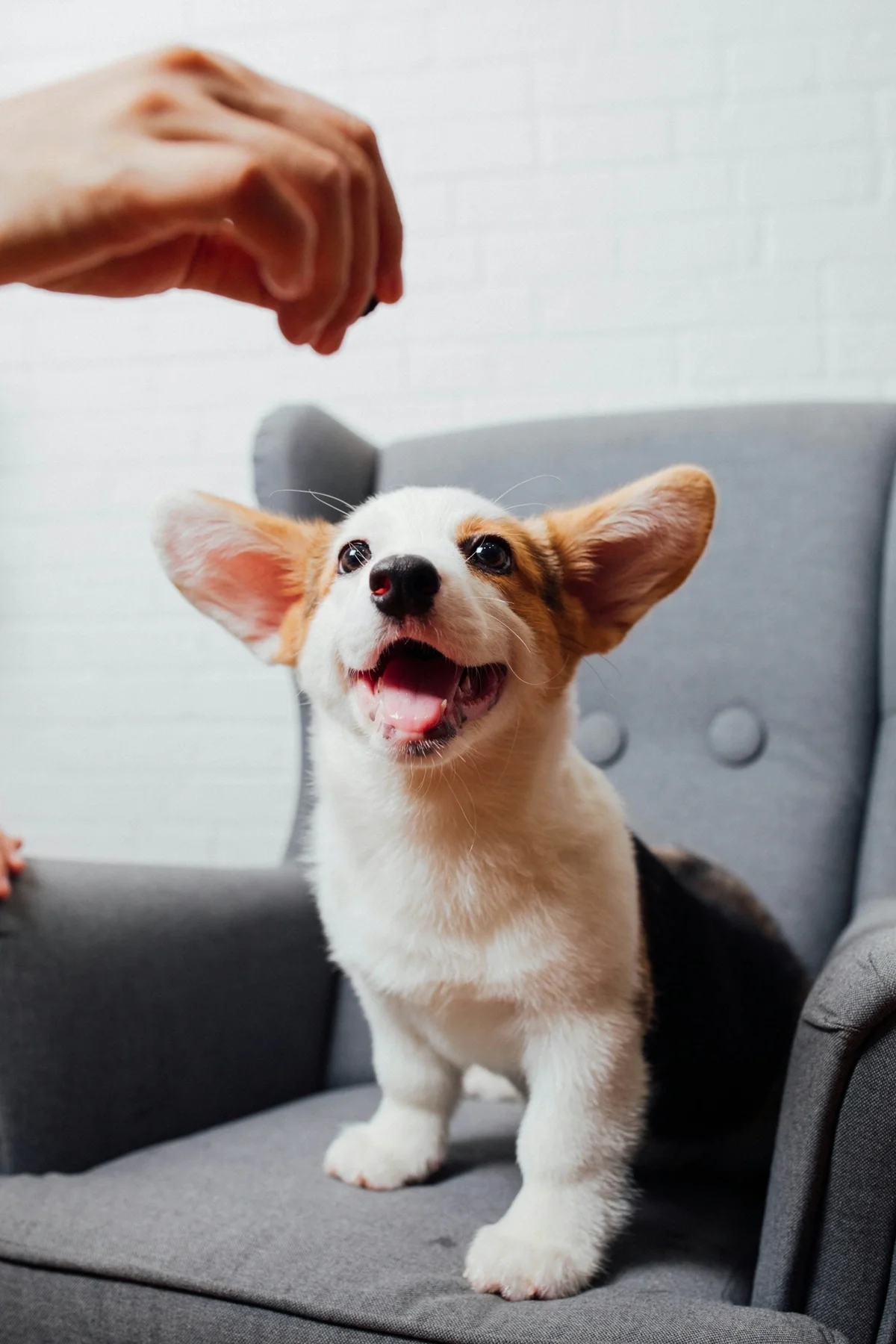
Dog Clicker Training for Beginners: A Simple Way to Teach Good Behavior
By Theresa Miller • July 20, 2026
Theresa is a tenured PuppySpot employee and breed expert. She is currently the manager of our Profile Approval department and interacts with our breeders daily. Theresa has been involved in the pet industry for over 20 years and has hands-on experience with many dog breeds. Theresa is also the proud pet parent of Marta, a German Shepherd Dog who is a trained service dog, a miniature Labradoodle named Eleanor, and her two cats, Bonnie and Katie!
Reviewed and fact checked by Bruce Whittle, DVM
How to Start Dog Clicker Training
Getting started with clicker training is easier than most people think. The goal is to help your dog understand that the click sound means they've done something right and a reward is on the way.
Step 1: Build a Positive Association with the Clicker
Before teaching any commands, introduce your dog to the clicker itself. Press the clicker once and immediately offer a treat. Repeat this several times in a calm environment without asking your dog to do anything. After a few short sessions, your dog will begin to recognize that every click predicts something good. This simple connection lays the foundation for all future training.
Step 2: Reward Your Dog for Simple Behaviors
Once your dog understands the meaning of the click, start using it to mark behaviors you'd like to encourage. A simple command such as "sit" is a great place to begin. Watch closely and click the exact moment your dog sits down, then follow with a treat. Timing matters because the click tells your dog precisely which action earned the reward. With consistent practice, they'll start repeating that behavior more often.
Step 3: Practice in Short, Fun Sessions
Dogs learn best when training feels like a game rather than a chore. Keep each session around five to ten minutes, which is usually enough. Short sessions help maintain your dog's attention and prevent them from becoming overwhelmed or distracted. A few quick training sessions throughout the day are often more effective than one long session. Ending while your dog is still engaged also leaves them excited for the next lesson.
Final Thoughts on Dog Clicker Training
Every dog learns at their own pace, so don't worry if progress doesn't happen overnight. The beauty of clicker training is that it focuses on rewarding success rather than correcting mistakes, creating a positive learning experience for both you and your dog.
Consistency, patience, and good timing will go a long way. Celebrate the small wins, keep training sessions fun, and remember that building trust is just as important as teaching commands. Over time, those little clicks can help shape everything from basic manners to impressive tricks.
By starting small and staying consistent, you'll set your dog up for success and make training a rewarding experience for both of you.