Common Health Conditions of Standard Poodles
By Bruce Whittle • May 14, 2026
Dr. Whittle, DVM, first decided upon a career in veterinary medicine when he was 9 years old and his first dog Blackie, a German Shepherd, died of heartworm disease. He wanted to devote his life to teaching people how to take better care of their animals both large and small so veterinary medicine was the obvious pathway. He and his wife met in veterinary school and built a rural veterinary practice immediately upon graduation. Dr. Whittle has worked on a wide variety of animal species but has developed a special interest in dentistry. He continues to find opportunities to educate others about animal care including teaching dentistry to veterinary students at various veterinary colleges. He and his wife have four large dogs and a small cat that share the house with them.
Reviewed and fact checked by Bruce Whittle, DVM
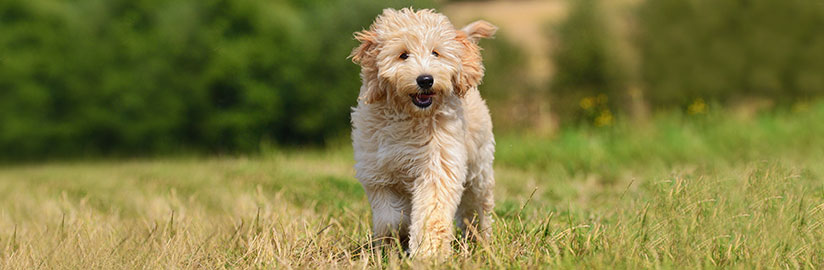
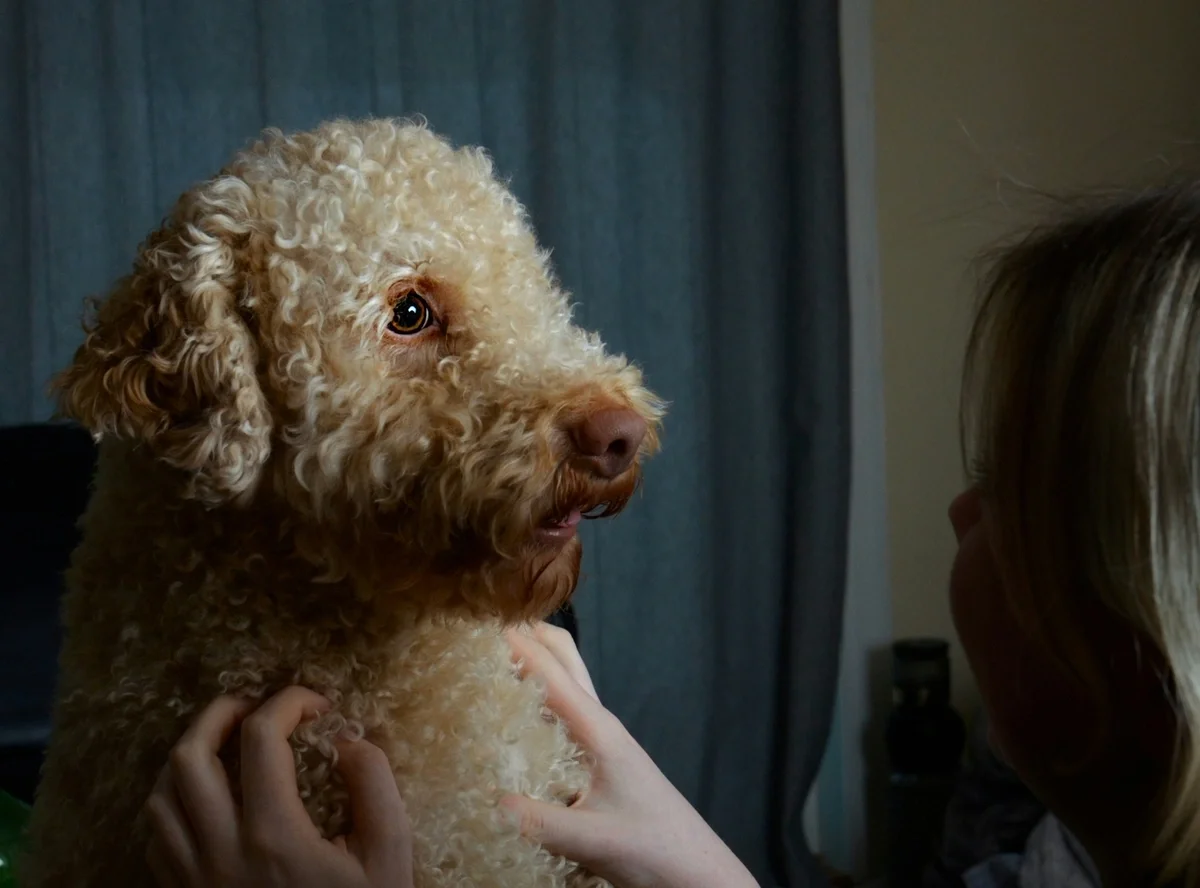
Poodles are consistently one of the most popular dog breeds. They are also considered the number two smartest dog breed. While poodles are generally healthy, there are some health conditions to be aware of. Because poodles come in several sizes, from toy to standard poodles, some of their health conditions depend upon their size. Standard poodles experience several health conditions that are less common in smaller versions of the poodle.
Atrial Septal Defect in Standard Poodles
Atrial septal defect is a heart condition characterized by a hole between the atria, the two upper chambers of the heart. If this defect is small, affected dogs may have a good long-term prognosis, but larger defects result in increased blood pressure in the lungs and right-sided heart failure. Affected puppies often grow poorly. Other signs include coughing and exercise intolerance. Diagnosis is usually made by echocardiogram which is ultrasound of the heart. Medical treatment may be successful in milder cases to manage signs of congestive heart failure. Surgery by a specialist is possible to treat this condition in more severe cases, either by balloon catheterization to close the defect or by open-heart surgery. Because this condition has a genetic component, affected dogs should not be used for breeding.
Hip Dysplasia in Standard Poodles
Hip dysplasia is a health condition in which the hip joint is malformed, leading to pain and arthritis. Statistics from the Orthopedic Foundation for Animals (OFA) reveal that nearly ten percent of tested standard poodles show some degree of hip dysplasia. Because the hip joint bears weight from a hind limb to the pelvis, hip dysplasia and resulting arthritis is painful, particularly in larger dogs. Severely affected dogs may collapse suddenly in the hind end when walking. Radiographs of the hips are used to diagnose hip dysplasia. In milder cases, anti-inflammatories and joint supplements such as glucosamine and chondroitin may help keep dogs more comfortable. In severe cases, a total hip replacement surgery can be performed and is very successful.
Cushing’s Disease in Standard Poodles (Hyperadrenocorticism)
Cushing’s disease is a condition in which the adrenal gland over-produces cortisol, a hormone that can cause suppression of the immune system. Most cases of Cushing’s disease are caused by a pituitary tumor at the base of the brain but may alternately be caused by a primary tumor of the adrenal gland. Regardless of the cause, the result is over-production of cortisol, a hormone that can suppress the immune system when present in larger amounts than normal. Common signs a dog has Cushing’s disease include increased drinking and urination, increased appetite, hair loss, and a pot-bellied appearance in more advanced cases. Your veterinarian will perform blood testing to diagnose this condition and determine whether the disease originates in the pituitary gland or an adrenal gland. Ultrasound may be used to examine the adrenal glands to see if they are the primary site of disease. While surgery of either the pituitary gland or adrenal gland is possible, these surgeries can be risky so most cases are managed with medications. Most cases respond well to medical therapy but treatment will be needed for the rest of the dog’s life.
Idiopathic Epilepsy in Standard Poodles
Idiopathic epilepsy is a neurologic condition in which a dog has seizures due to a cause that cannot be determined. Other causes of seizures may include low blood sugar, toxins, infections of the nervous system and trauma. When these conditions are ruled out, a diagnosis of idiopathic epilepsy is made. Epileptic seizures in standard poodles are often first observed in young dogs from 1 – 5 years of age. This condition is genetic in some lines of standard poodles. Seizures may affect only part of the brain (focal seizure) or may affect both sides of the brain (generalized seizure). With partial seizures, a dog may not respond to an owner normally, may have shaking of part of its body, may bite at imaginary objects or may find a place to hide. In contrast, generalized seizures cause rigidity of the entire body causing the dog to fall over and shake, and the dog becomes totally unconscious. An epileptic episode may also start as a focal seizure that progresses to a generalized seizure. An owner should keep records of seizures regarding how long an episode lasts, what signs they notice and how frequent the episodes are as this will help a veterinarian sort out this difficult disease condition. Epilepsy is not curable but is treatable with anti-seizure medications for the rest of a dog’s life. A veterinarian will do periodic blood testing to determine blood levels of the medication to ensure effective treatment and to assess liver function as these medications may have effects on the liver.
Sebaceous Adenitis in Standard Poodles
Sebaceous adenitis is an autoimmune skin disease that has been found to have a genetic basis in poodles. This condition results in an immune destruction of the sebaceous glands that normally produce sebum; this helps keep the skin from drying out and also plays a role in the immune protection of the skin. When these glands are destroyed, the skin becomes dry and the hair becomes brittle, leading to hair loss. Secondary bacterial skin infections are common. Sebaceous adenitis is diagnosed by testing for other skin conditions which cause similar lesions, and ruling them out. The definitive diagnosis is obtained by microscopic examination of skin biopsies. This disease is irreversible and affected dogs must be treated for life. Treatments consist of nutritional supplements such as omega fatty acids and Vitamin A as well as immunomodulators like cyclosporine and topical treatments that help address secondary infections and keep the skin and hair from getting dried out.
Gastric Dilatation-Volvulus in Standard Poodles (Bloat)
Gastric dilatation-volvulus or bloat is a condition that can be found in standard poodles due to their deep body cavity. Bloat occurs when a dog eats too rapidly or eats a large meal, causing gas to build up in the stomach. This gas accumulation can “float” the stomach in the abdominal cavity, causing it to twist. Once the stomach twists, further gas builds up and the blood supply to the stomach becomes cut off. Affected dogs will often act restless and may retch without vomiting. The abdomen will usually appear swollen. This is an emergency condition requiring immediate veterinary attention. If the twist is not too severe, the gas may be relieved by passing a stomach tube but often the twist is too severe and surgery to de-rotate the stomach is necessary. Medical care is an important adjunct to surgery because toxins are released into the system once the stomach blood vessels are opened up again. Bloat can be prevented by feeding smaller meals and using a slow feeder bowl so they cannot eat as quickly. Dogs that are deemed to be at high risk can have a preventative surgery to tack the stomach to the body wall so that the stomach cannot twist.
Von Willebrand Disease in Standard Poodles
Von Willebrand Disease is a genetic condition of standard poodles which is characterized by abnormal blood clotting. Dogs with this condition lack von Willebrand factor protein, a clotting factor in the chain of clotting factors needed to clot the blood in the event of a laceration. Affected dogs fail to clot their blood properly and may sustain a critical loss of blood in an otherwise minor bleeding event. Carriers of this condition are at a high risk of serious hemorrhage after even minor surgery. Dogs of breeds known to be affected by von Willebrand disease, such as standard poodles, should be tested if they do not clot normally. If positive, increased vigilance will be needed in case of injury, and transfusion of blood products may be needed in serious cases. Dogs known to be carriers of this condition should not be used for breeding.
Summary
Standard poodles are an intelligent, loyal breed of dog. This breed has a long history but, like many purebred dogs, has some common conditions owners should be aware of. Many of these conditions are manageable but early diagnosis is generally important.