How to Stop Dogs from Chewing Fast
By Theresa Miller • May 1, 2026
Theresa is a tenured PuppySpot employee and breed expert. She is currently the manager of our Profile Approval department and interacts with our breeders daily. Theresa has been involved in the pet industry for over 20 years and has hands-on experience with many dog breeds. Theresa is also the proud pet parent of Marta, a German Shepherd Dog who is a trained service dog, a miniature Labradoodle named Eleanor, and her two cats, Bonnie and Katie!
Reviewed and fact checked by Bruce Whittle, DVM
Stop Dog Chewing Fast: Simple Tips That Actually Work
You walk through the door after a long day, and there it is, your favorite shoe, completely destroyed. Maybe it’s a couch cushion this time, or the corner of your coffee table. It’s frustrating, expensive, and honestly a little confusing. Why would your dog do this?
Here’s the truth: your dog isn’t being spiteful. Destructive chewing is a very normal behavior; it’s just being directed at all the wrong things. The good news is that with a little understanding and a few smart changes, you can redirect that energy and restore peace in your home.
Why Do Dogs Chew in the First Place?
Chewing is a natural instinct for dogs of all ages. Puppies chew to soothe sore gums during teething, while adult dogs often chew because they’re bored, anxious, or simply have too much pent-up energy.
In many cases, your dog isn’t trying to ruin your belongings; they’re just trying to entertain themselves or cope with stress. Once you understand the reason behind the behavior, it becomes much easier to fix.
Offering Your Dog Better Alternatives
If your dog keeps choosing your furniture over their toys, it’s probably because your stuff is more interesting. The solution? Make their toys impossible to resist.
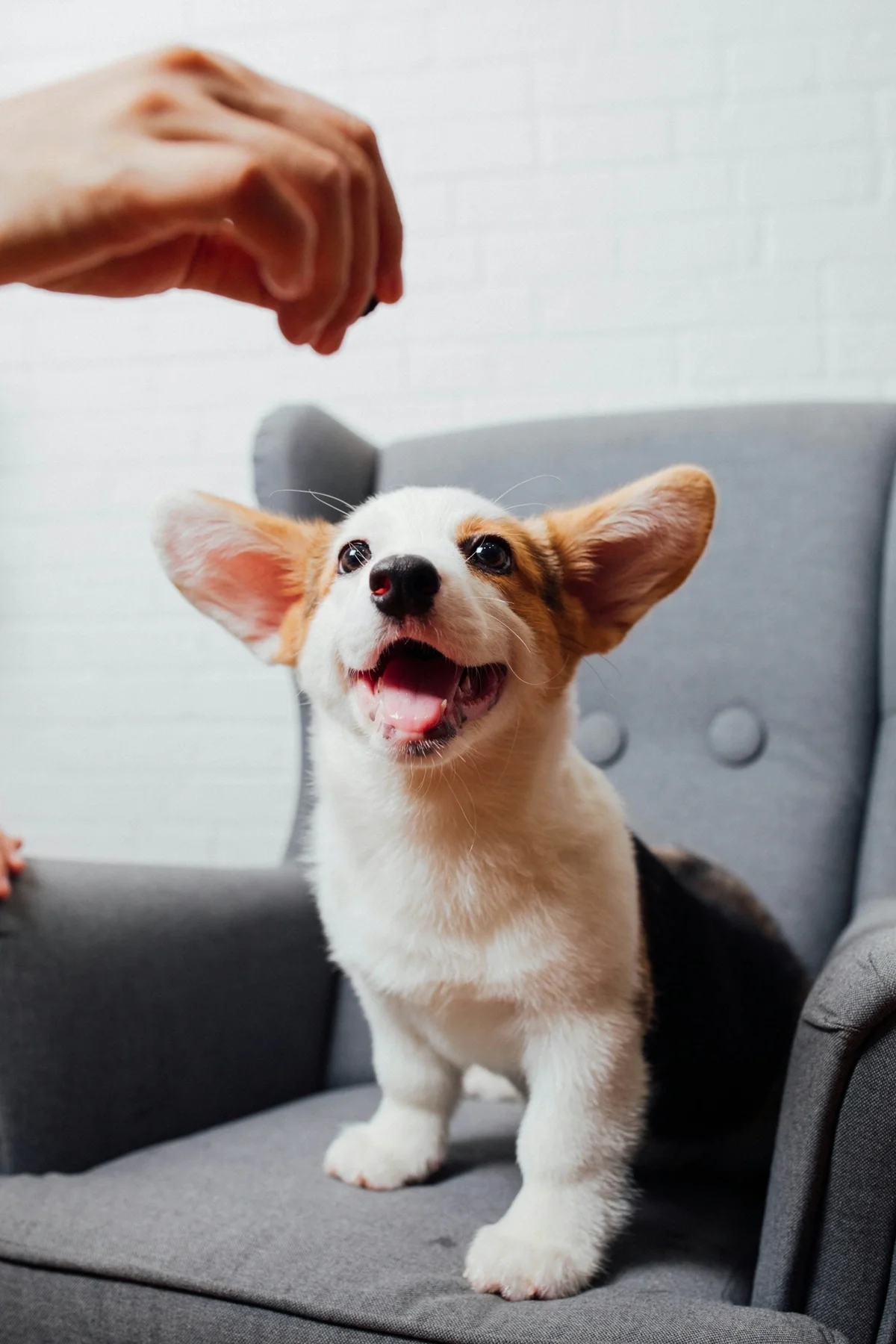
Look for durable chew toys or interactive puzzles that will keep your dog engaged. Toys that can be stuffed with treats are often the most effective because they reward your dog for choosing the “right” item. It is also important to rotate their toys regularly. Just like us, dogs often get bored with the same old options.
Exercise for Your Dog: The Best Alternative
One of the most overlooked causes of destructive chewing is a lack of exercise. A dog with too much energy will find something to do, and that outlet often means chewing on something they shouldn’t.
Daily walks, playtime, and other mentally stimulating games can make a huge difference. Activities like fetch, tug-of-war, or even short training sessions will help burn energy and reduce boredom. Even 20–30 minutes of focused activity each day can dramatically improve your dog’s behavior.
Set Clear and Consistent Boundaries for Your Dog
Dogs thrive on consistency. If something is off-limits, it needs to stay off-limits every single time. When you catch your dog chewing something they shouldn’t, calmly redirect them to an appropriate toy. Avoid yelling at your dog, as it may scare them and won’t teach them what to do instead.
You can also use a pet-safe deterrent like a bitter apple spray on items like shoes or furniture. This will create an unpleasant taste that will discourage chewing without causing harm.
Create a Safe, Dog-Friendly Space
If your dog tends to get into trouble when you’re away, consider limiting their access to certain areas of your home. A crate or a dog-proofed room can prevent damage and keep your dog safe.
Make sure this space feels comfortable and inviting. Include their favorite toys, fresh water, and a cozy place to rest so it feels like a safe haven, not a punishment.
Recognizing Anxiety or Boredom in Your Dog
Some dogs chew because they’re stressed, especially when left alone. If you notice this pattern, try adding calming elements like background noise or enrichment toys.
Gradually getting your dog used to being alone can also help. For more serious cases, reaching out to a professional trainer or veterinarian can provide additional support.
Final Thoughts on Preventing Dogs from Chewing Fast
Stopping destructive chewing isn’t about punishment; it’s about understanding your dog and meeting their needs. With patience, consistency, and the right approach, you can guide your dog toward better habits.
And the next time you find a chewed-up shoe? Take a breath. It might just be your dog’s way of asking for a little more attention, activity, or engagement.